
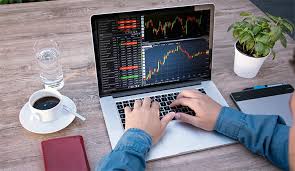
In the fast-paced world of forex trading, it is often easy to get caught up in market analysis, technical indicators, and trading systems. However, one crucial aspect that traders tend to overlook is the psychology behind trading decisions. The mental and emotional elements play a significant role in determining trading success. If you aim to become a successful forex trader, understanding trading psychology’s importance and developing the right mindset is essential. To enhance your trading experience, consider using forex trading psychology Top MT4 Trading Apps that can assist in managing your trading more effectively.
Forex trading is not merely about numbers and charts; it is also a reflection of human behavior. Emotions such as fear, greed, excitement, and frustration can heavily influence trading decisions, often leading to irrational actions that can jeopardize an otherwise sound trading strategy. For example, fear of losing can cause traders to exit a position too early or not enter a position when they should, while greed can lead to overleveraging or holding onto winning trades for too long. Recognizing these emotions and learning how to manage them effectively is crucial to becoming a disciplined trader.
One key concept in trading psychology is the understanding of risk tolerance. Every trader has different thresholds for risk based on their personality, experiences, and financial situation. It is vital to assess your own risk tolerance and build a trading strategy that aligns with it. Taking on excessive risk can lead to anxiety and stress, impairing decision-making. On the other hand, being overly conservative might prevent traders from capitalizing on profitable opportunities. Finding a balance between these extremes is a continuous process that requires self-awareness and adjustment.
Maintaining a trading journal can be one of the most effective tools for improving trading psychology. By documenting your trades, emotions, and decisions, you can identify patterns in your behavior and recognize triggers that lead to poor decision-making. Analyzing these patterns will allow you to develop strategies to counteract negative emotions and reinforce positive behaviors. Additionally, keeping track of your performance can help you set realistic goals and expectations, further enhancing your psychological resilience in the face of trading challenges.
Another psychological aspect to consider is the influence of external opinions and pressures. In today’s digital age, traders have access to a plethora of information and opinions shared by analysts, influencers, and fellow traders on social media platforms and forums. While this information can be valuable, it can also lead traders to second-guess their strategies or make uninformed decisions based on hype. It is important to cultivate a sense of independence in your trading decisions and develop confidence in your analysis and processes.

Moreover, the concept of “fomo” (fear of missing out) is prevalent among traders, especially during volatile market conditions. FOMO can lead to entering trades impulsively without proper analysis, often resulting in losses. To combat this, traders must remind themselves of their trading plan and stick to their strategies rather than acting on emotional impulses. Developing the discipline to wait for ideal trade setups and maintaining a long-term perspective can greatly improve trading outcomes.
Stress management techniques are also essential for maintaining a healthy trading psychology. High levels of stress can cloud judgment and lead to hasty decisions. Strategies such as mindfulness, meditation, and physical exercise can help traders manage stress and maintain a calm demeanor, ultimately improving decision-making abilities. Practicing these techniques regularly can create a more conducive mental environment for trading.
Furthermore, incorporating a practice of self-reflection and review can strengthen your trading psychology. After every trading session, take the time to review not only the trades executed but also the emotions experienced and the rationale behind decisions made. Establish feedback loops that allow for continuous improvement, promoting a growth mindset that learns from mistakes rather than succumbing to discouragement.
Seeking community support is another powerful tool for improving trading psychology. Engaging with other traders, either in person or online, can help you feel less isolated in the trading journey. Sharing experiences, discussing strategies, and learning from each other’s successes and failures can foster a sense of camaraderie and motivation. Joining trading communities or forums can provide you with insights and perspectives that may enhance your trading decisions and bolster your confidence.
Lastly, it’s vital to recognize the importance of taking breaks. Exhaustion can lead to poor judgment, and spending long hours glued to trading screens can exacerbate emotional fatigue. Implementing regular breaks during trading sessions can help clear your mind, allowing for better focus and decision-making. Stepping away from screens can also allow you to regain perspective and evaluate your trading from a more rational standpoint.
In conclusion, the psychological aspect of forex trading is as crucial as any technical or fundamental strategy. By understanding and managing emotions, developing self-awareness, and employing effective psychological strategies, traders can significantly enhance their performance in the forex market. Trading is not just about making profits; it is also about cultivating a winning mindset that can withstand the inevitable ups and downs of the market. Investing time in psychological training, self-reflection, and emotional regulation will ultimately reward you with a more fulfilling and successful trading journey.